
THE BRITISH MUSEUM AND THE IDEA OF DECOLONISATION

OUR RESEARCH QUESTION
DOES THE BRITISH MUSEUM SYMBOLIZING THE BRITISH EMPIRE OFFER A DECOLONIZED NARRATIVE INTO MIGRATION?
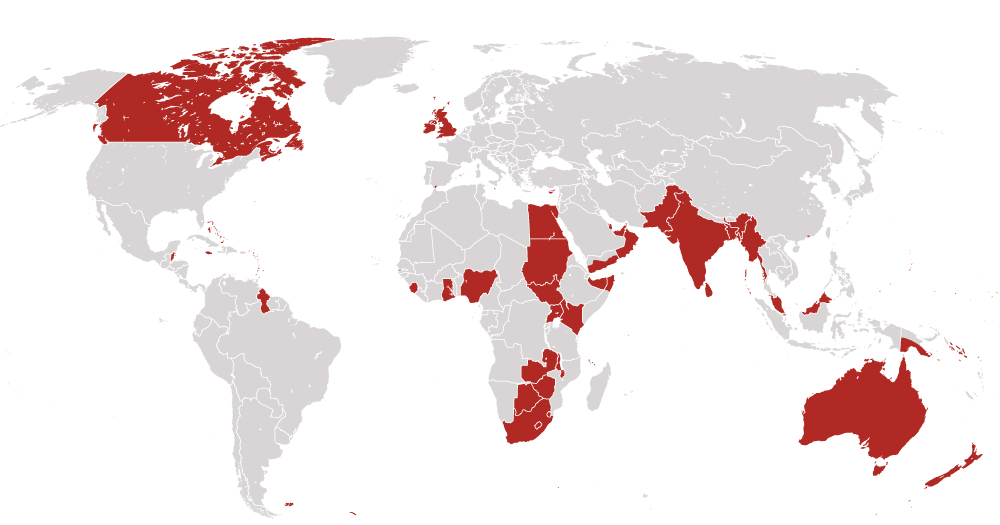
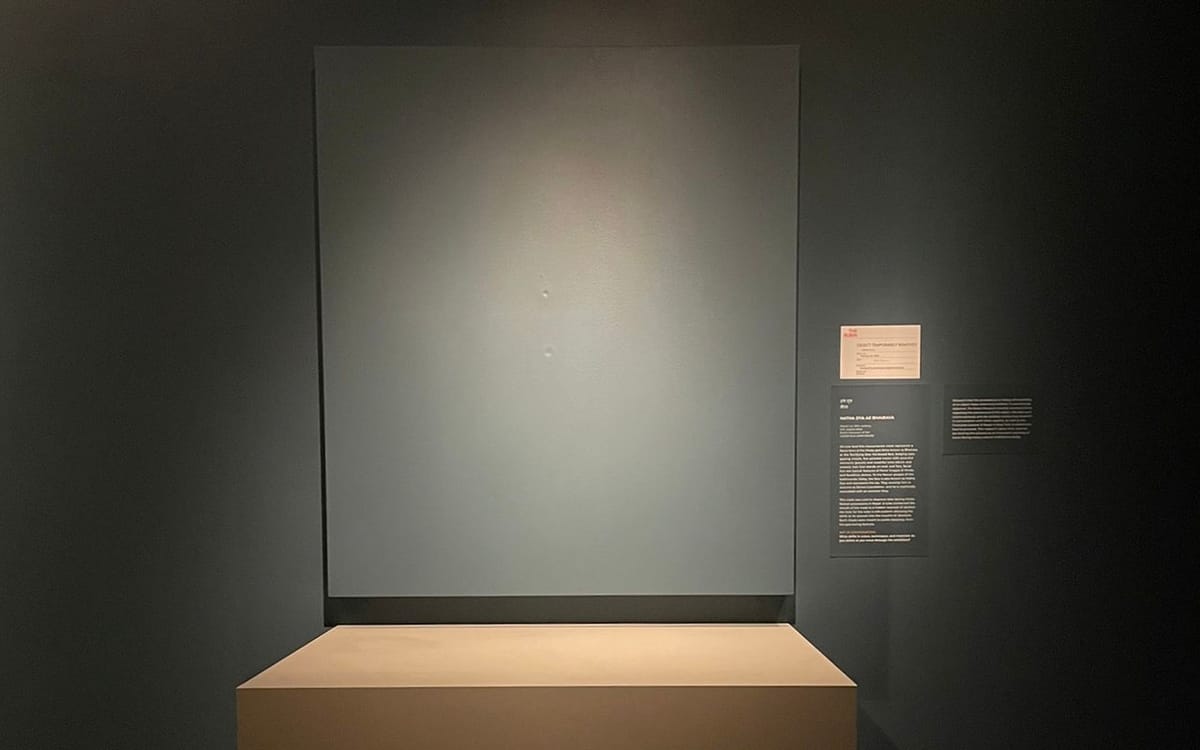
This project examines whether the British Museum offers a genuinely decolonized narrative of migration. Through the “Living and Dying” exhibition, we analyze how objects, texts, and display strategies reflect deeper histories of empire. By focusing on key cases such as the Moai from Rapa Nui, we explore how colonial legacies continue to shape the museum’s narrative, often presenting migration without fully acknowledging the power structures behind it.

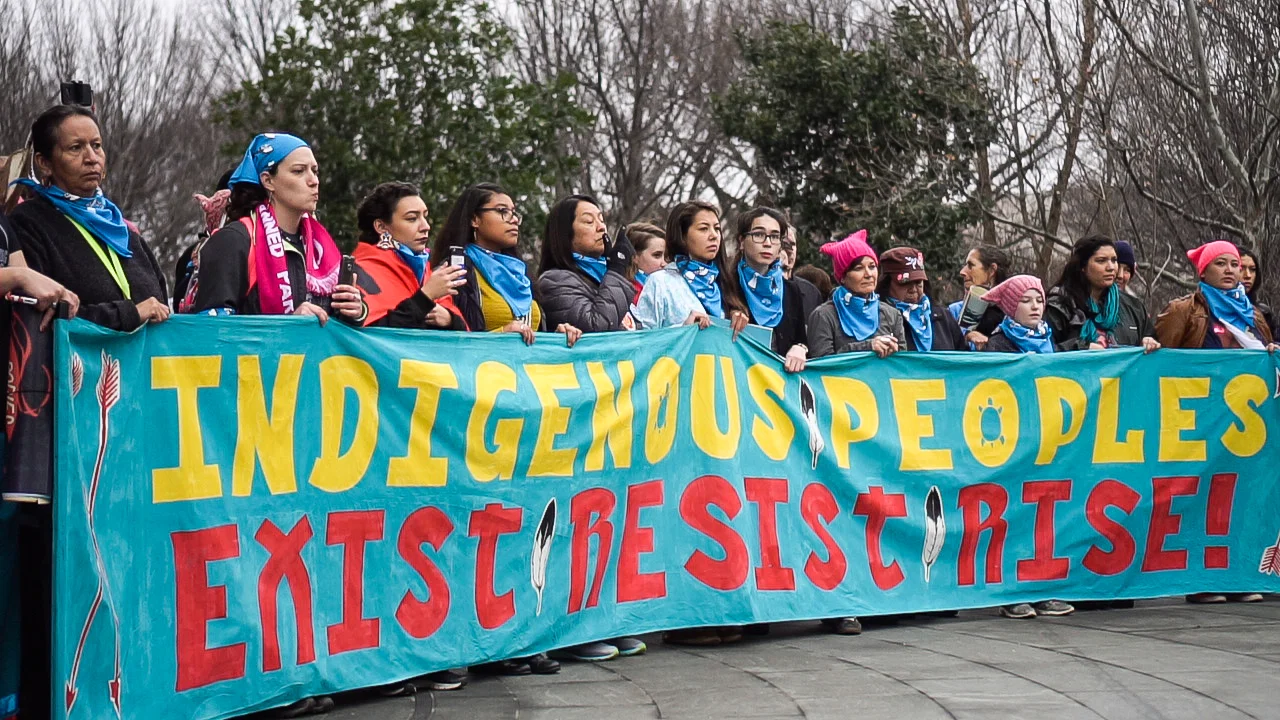
We chose this question because none of us are British, and we come from countries that were affected by colonialism in one way or another. This perspective allows us to examine how the British Museum, as a symbol of the British Empire, presents stories of migration and culture, and to question whether it can truly offer a decolonized narrative or continues to reproduce the power structures of its imperial past.
WHY WE CHOOSE THIS RESEARCH QUESTION?
RESEARCH

Multimodal Analysis focuses on how meaning is created through different modes such as text, images, and spatial design. In the “Living and Dying” exhibition, we analyze how objects, written descriptions, and their placement interact to produce a specific narrative about culture and migration. This allows us to understand how exhibitions communicate ideas beyond written language.
Multimodal Analysis
METHODS
Examines how language reflects and reinforces power relations. Following Van Dijk (2001), CDA focuses on implicit meanings—what is suggested but not directly stated. In this project, we use CDA to analyze how the museum frames colonial histories, migration, and cultural identity, paying attention to what is emphasized, omitted, or normalized.
Critical Discourse Analysis (CDA)
DEFINITION OF THE MAJOR WORDS





MUSEUMS AND MIGRATION
HISTORY, MEMORY AND POLITICS
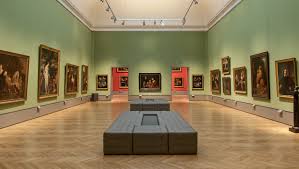
'[Museums] can be 'temples of civilization, sites for the creation of citizens, forums for debate, settings for cultural interchange and negotiation of values, engines of economic renewal and revenue generation, imposed colonialist enterprises, havens of
elitist distinction and discrimination, and places of empowerment and recognition. (1)'
By Laurence Gouriévidis (Routlege, 2014)
ABOUT US
We are three Arts and Sciences affiliate students at University College London